Showing posts sorted by relevance for query ten little rabbits. Sort by date Show all posts

Tuesday, July 17, 2007

A Teacher Reconsiders Virginia Grossman's TEN LITTLE RABBITS

"The Miss Rumphius Effect" is a blog maintained by a teacher named Tricia. Yesterday (July 16th), she wrote about Virginia Grossman's Ten Little Rabbits, which is a picture/counting book that features ten little rabbits. She writes about why she no longer uses it with children. Her post is titled "Reconsidering Ten Little Rabbits: Evaluating Books from the Viewpoint of Other Cultures."

The strength of what she says lies in her ability to reconsider the book once she had new information about it, and then, to stop using it. I've certainly had that experience many times.

I remember--vividly--reconsidering The Five Chinese Brothers when I began graduate study at UIUC in 1994. I grew up on our reservation (Nambe) in New Mexico, attending a US government day school in first grade. The librarian from the local public school would drive over to our school every two weeks with a cardboard box filled with books. The fourteen (or so) of us Pueblo kids would choose books from his box. That box of books was our library. [As I write this, I can cynically imagine an author reading my blog and thinking "hmmm... that would make a good story." I hope nobody tries to turn my story into a book or a passage in a book. I can imagine the ways the story would be done wrong, as the author filled in gaps with his/her (likely) faulty knowledge of my life as a kid on our reservation.]

Two books stand out from that time. One is Little Owl Indian. I will write about that one another day.

The second is The Five Chinese Brothers. It carries enormous significance for me---a kid learning to read, and loving that books could take me to other places and times. In graduate school, I gained new information about it, and I let it go. I took it off its pedestal, and now use it in my classes to describe that process... That process of letting go of something with emotional significance. It isn't a bad thing to do, or a sign of weakness. It is called learning.


Update: July 18, 2007
The Spring 2007 issue of Journal of Children's Literature, published by the Children's Literature Assembly of the National Council of Teachers of English includes a column called "A Dozen Great Books." On the list is The Five Chinese Brothers, of which the columnist says "Five brothers who look exactly alike use their special powers to save First Brother from being unfairly punished."

In the intro, the columnist says "...I longed to retitle this column 'A Dozen Great Books That Tickled My Imagination, Delighted My Sense of Humor, Taught Me The Power of Language, Encouraged Me To Listen To My Own Stories, Allowed Me To Glimpse The Vast and Varied Word Beyond the Cornfields of Illinois Where I Was Growing Up, Encouraged Me To Go Within Myself And Listen To My Own Stories, Comforted Me, And Basically Changed My Life.'" She also says she came to know the book through Captain Kangaroo's television program.


Below is what I said last August about Ten Little Rabbits, in a post about a book called Brave Bunny. I hope you read what I wrote and also what Tricia has to say at "Reconsidering Ten Little Rabbits: Evaluating Books from the Viewpoint of Other Cultures." The tribes represented (or rather, misrepresented) in Ten Little Rabbits are Sioux, Tewa, Ute, Menominee, Blackfoot, Hopi, Arapaho, Nez Perce, Kwakiutl, Navajo.

---

Bunnies appear frequently in children's books, and there is at least one very popular book that features bunnies dressing up like Indians. Ten Little Rabbits by Virginia Grossman came out in 1991. The illustrations (by Sylvia Long) are attractive. No doubt, some view the title as a clever take-off on "Ten Little Indians" which many children still sing in their pre-school classrooms.

It is a counting book, so (by definition), each page features a numeral and objects to count. In this case, the objects for counting are rabbits dressed in the regalia of a specific tribal nation. I urge readers---especially Native ones---to take a look at the book. Is your tribe represented? Is it correctly represented?

There is a page intended to show Pueblo Indians. On that page, two male rabbits are shown dancing in Pueblo-like attire, standing in front of an adobe wall. But! They are shown facing each other, and there are only two of them (this is the page for the numeral two). There are no dances at Nambe (my home) that are done that way.

At the end of the book is a double-page spread (two pages facing each other) that have "information" about each tribe depicted in the book. I deliberately put "information" in quotation marks, because the "information" about Pueblo people is wrong. Grossman says that we "stage" a dance in which the male dancers "leap and stamp to wake up the spirits."

Sadly, this "information" makes the book more attractive to parents and teachers who are trying to bring accurate and authentic books to the classroom. I'm sure that Grossman and Long didn't intend to dupe their readers, but I think they've done all children a disservice. Once again, Native people are objectified (one little, two little....), and these gorgeous illustrations and "information" add to the already too-big pile of hooey that passes for knowledge about American Indians.

Next time you're in your local library, see if Ten Little Rabbits is on the shelf. If you're willing, approach the librarian, and point out problems with the book. It has FACTUAL errors. In my view, it should be weeded (pulled off the shelf and taken out of circulation).

If you're interested in reading more about Ten Little Rabbits, see Theresa L. McCarty's article "What's Wrong with Ten Little Rabbits?" published in 1995 in a journal called The New Advocate (volume 8, #2, page 98).

UPDATE, MARCH 26, 2009:
See also the review by Lisa Mitten and Naomi Caldwell Wood, of the American Indian Library Association.

Monday, August 14, 2006

INDIAN BUNNY. No! Now it is BRAVE BUNNY --- And TEN LITTLE RABBITS

A reader (Amanda) wrote to me about Indian Bunny, a picture book she found in her local public library. In the story, a bunny decides he wants to be an Indian. According to the Library of Congress catalog, Indian Bunny (written and illustrated by Ruth Bornstein) was first published in 1973 by Childrens Press. But, as Amanda found out, it was republished in 2003 with a new title. It went from Indian Bunny to Brave Bunny. Why the change from "Indian" to "Brave"?!

Other than the title, it is the same book. At the Amazon site, you can get the older one in a used copy. There are three reviews which say in part:
"Despite what some would consider a politically incorect titile, INDIAN BUNNY is a sweet story that young chilren enjoy and instills in them a small amount of respect for cultures other than their own."
and
"A very pro-native American (and pro-Pagan) introduction for the very young. "
and
"This was my first and favorite book in the world! It is a simply written and illustrated tale of a bunny who decides, one day, that he wishes to be an Indian. His story unfolds accordingly, along the banks of streams, and in fields and trees where he meets and befriends sacred animals and practices the ancient ways. The beauty of the story is its simplicity and profound sense of respect and mystery. It is a gentle spiritual quest suitable for even the youngest children or early readers. I still love it!"

Of course, bunnies appear frequently in children's books, and there is at least one very popular book that features bunnies dressing up like Indians. Ten Little Rabbits by Virginia Grossman came out in 1991. The illustrations (by Sylvia Long) are attractive. No doubt, some view the title as a clever take-off on "Ten Little Indians" which many children still sing in their pre-school classrooms.

It is a counting book, so (by definition), each page features a numeral and objects to count. In this case, the objects for counting are rabbits dressed in the regalia (note I did not say 'costume')* of a specific tribal nation. I urge readers---especially Native ones---to take a look at the book. Is your tribe represented? Is it correctly represented?

As some of you may know, I am Pueblo Indian, tribally enrolled at Nambe Pueblo in New Mexico. In Ten Little Rabbits, there is a page intended to show Pueblo Indians. On that page, two male rabbits are shown dancing in Pueblo-like attire, standing in front of an adobe wall. But! They are shown facing each other, and there are only two of them (this is the page for the numeral two). There are no dances at Nambe that are done that way.

At the end of the book is a double-page spread (two pages facing each other) that have "information" about each tribe depicted in the book. I deliberately put "information" in quotation marks, because the "information" about Pueblo people is wrong. Grossman says that we "stage" a dance in which the male dancers "leap and stamp to wake up the spirits."

Sadly, this "information" makes the book more attractive to parents and teachers who are trying to bring accurate and authentic books to the classroom. I'm sure that Grossman and Long didn't intend to dupe their readers, but I think they've done all children a disservice. Once again, Native people are objectified (one little, two little....), and these gorgeous illustrations and "information" add to the already too-big pile of hooey that passes for knowledge about American Indians.

Next time you're in your local library, see if Ten Little Rabbits is on the shelf. If you're willing, approach the librarian, and point out problems with the book. It has FACTUAL errors. In my view, it should be weeded (pulled off the shelf and taken out of circulation).

If you're interested in reading more about Ten Little Rabbits, see Theresa L. McCarty's article "What's Wrong with Ten Little Rabbits?" published in 1995 in a journal called The New Advocate (volume 8, #2, page 98).


Wednesday, August 15, 2007

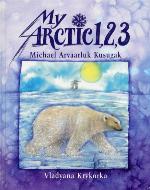
Instead of Virginia Grossman's TEN LITTLE RABBITS, read Michael Kusugak's MY ARCTIC 1, 2, 3


[Note: This review is used with permission of Beverly Slapin and may not be published elsewhere without her written permission.]

____________________

Grossman, Virginia, Ten Little Rabbits, illustrated by Sylvia Long. San Francisco: Chronicle Books (1991). Unpaginated color illustrations; preschool-grade 1 

Kusugak, Michael (Inuit), My Arctic, 1, 2, 3, illustrated by Vladyana Krykorka. Toronto: Annick Press (1996). Unpaginated, color illustrations; preschool-up; Inuit

Although both of these are counting books, they are very different from one another.  Ten Little Rabbits has received several awards. It has been favorably reviewed in all of the major journals, can be found in most bookstores, and is featured on many “multicultural” lists and in catalogs. Long’s earth-toned ink-and-watercolor pictures are pretty and her rabbits look like rabbits. 

But it shouldn’t be necessary to tell people that counting rabbits dressed as Indians is no different from counting Indians. It objectifies people. Same faces, different blankets. As Teresa L. McCarty writes, 

The book’s implicit suggestion that children will learn to “count by diminutive-ethnic-group characters” is perverse and patently racist. That the author and the illustrator appear completely unconscious of this and choose to portray their characters as “cute” little animals reveals an especially insidious and societally acceptable form of racism. It is difficult to believe any writer, illustrator, or publisher today would accept or promote equivalent portrayals, for instance, of American Jews or African Americans. [1]

There are some who would ask, “but are the pictures authentic?” They’re neither authentic nor accurate. There’s no cultural relevance, no connection between each illustration and a people’s way of being in world. Even if the pictures were not contrived, the impact of this book—“rabbits as Indians”—on impressionable little kids is what makes it toxic. 

Neither Long’s lifelong “fascination with Native American cultures” nor her reading of Watership Down, which together “inspired a series of Native American rabbit illustrations that later became the basis for this book" [2] excuses what she and Grossman have done. On the other hand, My Arctic 1, 2, 3 is an example of a counting book that simply and beautifully reflects a people’s connection to the land. “I grew up in the Arctic Circle,” Michael Kusugak writes.
When I was a little boy we hunted seals, caribou and whales….We do not hunt animals all the time. Mostly, we watch them. We look at their tracks. We see how their coats change with the seasons. We watch what they hunt for food. We see how they hunt. In this book I want to show you some of the animals we have watched and the other animals that they hunt. Watching animals is fun.

My Arctic 1, 2, 3 is clearly more than a counting book. Unlike Ten Little Rabbits, it shows the relationships between the humans and the animals and between the different animals in an environment that demands that this relationship be understood. Each two-page spread, in luminous watercolors and ink, shows a certain number of animals on the left, and the animals they hunt on the right. The story comes full circle at the last spread that shows, on the left, Kusugak’s extended family picking “millions of berries (that) ripen in the fall” and on the right,
One lone polar bear walks along the shore, thinking of seals. It sees the berry pickers and says, “Never mind. They do not look like very good meals.” It continues on its journey, looking for what it might find…

There are words in Inuktitut for the animals themselves, and the last four pages, “The Arctic World of Michael Kusugak and His Family,” place all of the Arctic animals in the context of their relationship to the humans and each other. From start to finish, this is a beautiful book.
—Beverly Slapin


[1] Theresa L. McCarty, “What’s Wrong with Ten Little Rabbits?,” The New Advocate, vol. 8, no. 2, 1995, p. 98.
[2] from the Endnote.

Friday, August 06, 2010

TEN LITTLE INDIANS dolls/counting toy

Gabrielle, a colleague, messaged me this morning to say she'd seen a Ten Little Indians counting toy set at a shop in Cambodia. She'll see if someone can take photo of it for me. In the meantime, I searched Google images and found several. I don't advocate buying any of these sets, and I think the song or poem should not be taught to young children because it dehumanizes and stereotypes American Indians. That is a bad thing for Native children, but for non-Native children, too.

It is far better to count or sing objects that aren't human beings. You could count toys that are occupations (police, fire fighters, etc.) or animals, or, familiar objects. Below is some of what I found in the image search I did.

The "Indians" on one website are white. Completely white. As white as the Pillsbury Dough Boy. They're about 6 inches tall and their teepee is 20 or so inches high. They have a canoe and a fire. On another site, they're bright orange. On some they are brown. Precious Moments offers ten little "Indians" and a teepee, and, an entire family. Stereotypes abound, from names to clothing the dolls wear. Sadly, there's a lot of teacher resource sites that include worksheets using the poem.

The history of the rhyme/poem/song is important. See "Commentary: Ten Little N***** Girls" at the Essence website. Do read the commentary.

Also see:
A Teacher Reconsiders Ten Little Indians
INDIAN BUNNY. No! Now it is BRAVE BUNNY --- And TEN LITTLE RABBITS
Instead of Virginia Grossman's TEN LITTLE RABBITS, read Michael Kusugak's MY ARCTIC 1, 2, 3


Wednesday, December 19, 2007

An Open Letter to Jan Brett

Below is a letter to Jan Brett regarding her new book Three Snow Bears. The letter is written by Theresa Seidel.
____________________

An Open Letter to Jan Brett

I met you over twenty years ago when my daughter was in kindergarten and you visited her school during a young author conference. I became an instant admirer of your books. They are always beautifully done and your work as an illustrator is second to none. The use of borders to tell “the rest of the story” is a feature I always look forward to seeing. Your joy for writing shows through when you work with children.

As an Indigenous woman and a worker in a public library, I find your newest book, The Three Snow Bears, bothersome on many levels. I don’t feel honored when someone not of a culture appropriates elements of an indigenous culture for their own gain.

My red flag was:

I first saw the book when a mother and daughter picked it up and the mother said that she could use it to read as a “Native American” story to her daughter’s class. After reading the cover flaps of the book, I could see why. You do not claim to be Native American. You had traveled to Baffin Island to study the people and animals. You go on to explain how you looked at the faces of the children and got the character, Aloo-ki. The book is not a Native American story. It is a story of the three bears and Goldilocks done with an Inuit twist.

You went to the museum and studied the displays and artwork. You say that you saw traditional clothing on animal artwork in a museum and that was the inspiration for your book. I do understand that the people you visited have this depicted in THEIR artwork. But it belongs to them. They shared their culture with you. Did they do this with the intention that you would take it and make it into a book?

I was holding your book and seeing snow bears wearing traditional Inuit clothing. For hundreds of years Native people have been treated as less than human. This book immediately brings to mind another book done to “honor” Native people, Ten Little Rabbits,” by Virginia Grossman. Ten Little Rabbits is just a remake of Ten Little Indians with rabbits wearing Native attire. Depicting minority populations as animals in children’s books has long been used as a de-humanizing tactic.

I could not believe that you, Jan Brett, would do this, so I turned to your website for more information. Upon looking at the mural page, I had my answer. This page describes the outfits on each of the bears and tells about those items of clothing in Inuit life. I am not Inuit so I cannot speak to whether the information presented is accurate. The Goldilocks character’s outfit is not mentioned, but rather how she drives a sled team.

Another concern that I have about the book is that Aloo-ki steals boots. The children ages 3-6, to whom I read, would catch this almost immediately. They know that you don’t take something that belongs to another and keep it without asking. Aloo-ki took the boots not because she needed them, but because they were prettier than the boots she was wearing.

This book could have been nicely done without a Native twist. I am really trying to understand your motivation for using an Inuit theme for this book. Do you feel you are promoting a culture by showcasing it to the world? Did the people you visited ask you to do so; or did you assume that by them sharing culture with you that you had the right to use it? Are you going to give back to the community something for appropriating their culture?

Is this something you will continue to do as you travel? I did have some qualms after reading your {Jan Brett} book “Honey…Honey…Lion” as it took a story from an Indigenous culture to use. It was nice to see money from this book supporting a local foundation. Does giving back to the locals after cultural appropriation make it okay?

Here are the criteria I used for judging The Three Snow Bears:

Is the book written by a Native author or with a Native author?

Is it using another culture to gain financial rewards?

Is the book depicting Native people as less than human?

Could you remove the Native aspects and still have a good book? If so, what was the motivation to include them?

Is the culture being portrayed correctly?

Please explain how this book should make an Indigenous person feel “honored.”

Respectfully,

Theresa Seidel

Note: I did send a letter to Jan Brett on her “contact the author” portion of her web page, so that she could reply to me in private. She did not reply to my letter.

Monday, November 08, 2010

"Bestsellers in Children's Native American Books"

A colleague wrote to ask if I know of a study of the most-assigned Native author in schools. I don't know of one, but will be looking for one, or, trying to figure out how to get the answer to the question, which is basically, "What book about American Indians is most-often taught/assigned in school?" Course, that would vary by grade level and school and other factors like state, public/private, etc.

One thing I (always) wonder about is best-selling books. One source of info is Amazon. In their "Bestsellers in Children's Native American Books" (time/date of list: 7:23 AM, Central Time, November 8, 2010) are the following titles. Some are on their more than once. In some cases, its clear that the duplicate is a Kindle edition, but others seem to just be repeats. There isn't, for example, a note that says it is an audio copy.

It is, overall, a disappointing list and it makes me grumpy on this Monday morning...  I'm glad to see Native authors on the list, but duplicates of some really problematic books like Touching Spirit Bear?! And it is pretty easy to see that Amazon's customers want works of historical fiction or "myths, legends and folktales."  


#1 - The Absolutely True Diary of a Part-Time Indian, by Sherman Alexie.
#2 - Island of the Blue Dolphins, by Scott O'Dell
#3 - One Little, Two Little, Three Little Pilgrims, by B. G. Hennessy
#4 - Island of the Blue Dolphins (Kindle), by Scott O'Dell
#5 - Squanto's Journey: The Story of the First Thanksgiving, by Joseph Bruchac
#6 - Touching Spirit Bear, by Ben Mikaelsen
#7 - North American Indians, by Douglas Gorsline
#8 - Tapenum's Day: A Wampanoag Indian Boy in Pilgrim Times
*#9 - Encounter, by Jane Yolen
#10 - Sing Down the Moon, by Scott O'Dell
#11 - The Rough-Face Girl, by Rafe Martin
#12 - Paddle-to-the-Sea, by Holling C. Holling
#13 - Diamond Willow, by Helen Frost
#14 - Red Fox and His Canoe (I Can Read Book), by Nathaniel Benchley
#15 - The Sign of the Beaver, by Elizabeth George Speare
#16 - The Legend of the Indian Paintbrush, by Tomie de Paola
#17 - Arrow to the Sun: A Pueblo Indian Tale, by Gerald McDermott
#18 - Touching Spirit Bear (Kindle) by Ben Mikaelson
#19 - Julie of the Wolves, by Jean Craighead George
#20 - Touching Spirit Bear, by Ben Mikaelsen
#21 - Indian Captive: The Story of Mary Jemison, by Lois Lenski
#22 - Mountain Top Mystery (Boxcar Children), by Gertrude Chandler Warner
#23 - Grandmother's Dreamcatcher, by Becky Ray McCain
#24 - On Mother's Lap, by Ann Herbert Scott
#25 - Horse Diaries #5: Golden Sun, by Whitney Sanderson
#26 - The Indian in the Cupboard, by Lynn Reid Banks
#27 - Sacagawea: American Pathfinder, by Flora Warren Seymour
#28 - Code Talker: A Novel about the Navajo Marines of World War II, by Joseph Bruchac
#29 - The Heart of a Chief, by Joseph Bruchac
#30 - Little Runner of the Longhouse (I Can Red Book 2) by Betty Baker
#31 - Paddle-to-the-Sea, by Holling C. Hollins
#32 - Love Flute, by Paul Goble
#33 - Soft Rain: A Story of the Cherokee Trail of Tears, by Cornelia Cornelissen
#34 - The Journal of Jesse Smoke: A Cherokee Boy, Trail of Tears, 1838, by Joseph Bruchac
#35 - The Absolutely True Diary of a Part-Time Indian, by Sherman Alexie
#36 - The Birchbark House, by Louise Erdrich
#37 - The Legend of the Bluebonnet, by Tomie dePaola
#38 - Buffalo Woman, by Paul Goble
#39 - Cheyenne Again, by Eve Bunting
#40 - Where the Broken Heart Still Beats: The Story of Cynthia Ann Parker, by Carolyn Meyer
#41 - Julie, by Jean Craighead George
#42 - Children of the Longhouse, by Joseph Bruchac
#43 - Sacred Fire, by Nancy Wood
#44 - Island of the Blue Dolphins, by Scott O'Dell
#45 - Mama, Do You Love Me, by Barbara J. Joosse
#46 - The Year of Miss Agnes, by Kirkpatrick Hill
#47 - Sweetgrass Basket, by Marlene Carvell
#48 - Sitting Bull: Dakota Boy, by Augusta Stevenson
#49 - The Talking Earth, by Jean Craighead George
#50 - Rainbow Crow, by Nancy Van Laan
#51 - The Girl Who Loved Wild Horses, by Paul Goble
#52 - The Polar Bear Son: An Inuit Tale, by Lydia Dabcovich
#53 - The Girl Who Loved Wild Horses, by Paul Goble
#54 - Song of the Seven Herbs, by Walking Night Bear
#55 - Ten Little Rabbits, by Virginia Grossman
#56 - The Lost Children: The Boys Who Were Neglected, by Paul Goble
#57- Moccasin Trail, by Eloise Jarvis McGraw
#58 - Thunder Rolling in the Mountains, by Scott O'Dell
#59 - Meet Kaya: An American Girl, by Janet Beeler Shaw
#60 - When the Legends Die, by Hal Borland
#61 - Sacajawea, by Joseph Bruchac
#62 - Knots on a Counting Rope, by John Archambault
#63 - The Porcupine Year, by Louise Erdrich
#64 - Star Boy, by Paul Goble
#65 - Jim and Me, by Dan Gutman
#66 - Kaya: An American Girl: 1764/Box Set, by Janet Beeler Shaw
#67 - Between Earth and Sky: Legends of Native American Sacred Places, by Joseph Bruchac
#68 - Touching Spirit Bear, by Ben Mikaelsen
#69 - Weasel, by Cynthia Defelice
#70 - When the Shadbush Blooms, by Carla Messinger
#71 - On Mother's Lap, by Ann Herbert Scott
#72 - The Captive Princess: A Story Based on the Life of Young Pocahontas
#73 - Powwow's Coming, by Linda Boyden
#74 - The Gift of the Sacred Dog, by Paul Goble
#75 - Streams to the River, River to the Sea, by Scott O'Dell
#76 - Weetamoo: Heart of the Pocassets, Massachusetts - Rhode Island, 1653 (Royal Diaries) by Patricia Clark Smith
#77 - Indian Trail (Choose Your Own Adventure) , by R. A. Montgomery
#78 - Arrow Over the Door, by Joseph Bruchac
#79 - At Seneca Castle, by William W. Canfield
#81 - Pocahontas, by Joseph Bruchac
#82 - Squanto's Journey: The Story of the First Thanksgiving, by Joseph Bruchac
#83 - Christmas Moccsains, by Ray Buckley
#84 - The Game of Silence, by Louise Erdrich
#85 - Encounter, by Jane Yolen
#86 - Beyond the Ridge, by Paul Goble
#87 - Death of the Iron Horse, by Paul Goble
#88 - The Last of the Mohicans, by James Fenimore Cooper
#89 - Island of the Blue Dolphins (illustrated) by Scott O'Dell
#90 - Frozen Fire: A Tale of Courage by James Houston
#92 - Blood on the River: James Town 1607, by Elisa Carbone
#92 - The Give-Away: A Christmas Story in the American Tradition, by Ray Buckley
#93 - Mystic Horse, by Paul Goble
#94 - Eating the Plates: A Pilgrim Book of Food and Manners, by Lucilee Recht Penner
#95 - Mysteries in Our National Parks: Cliff Hanger, by Gloria Skurzynski
#96 - Jim Thorpe, Olympic Champion, by Guernsey Van Riper Jr
#97 - Good Hunting, Blue Sky (I Can Read Book) by Peggy Parish
#98 - Guests, by Michael Dorris
#99 - Hiawatha and Megissogwon by Henry W. Longfellow
#100 - Sing Down the Moon, by Scott O'Dell


Observations? Books by four Native authors are on the list: Sherman Alexie, (Update on Sep 30 2023: I no longer recommend Bruchac's work. For details see Is Joseph Bruchac truly Abenaki? Joseph Bruchac, Louise Erdrich, and Michael Dorris.  I'll return to this list later to share analyses and observations. Right now, I gotta head to class. The class? American Indian Studies 101, where, over the course of the semester, students gain insight and skills in recognizing problematic depictions of Native peoples. It is encouraging to see that development in them. I wish everyone in the US could take an Intro to American Indian Studies course. Then maybe there'd be some CHANGE in what they buy.

Wednesday, February 28, 2007


Kathleen and Michael Lacapa's Less Than Half, More Than Whole

In the first year of my graduate studies, I came across a book that deeply touched me. The illustrations are terrific, but it was the content of the illustrations that meant so much to me. Page after page had something that spoke directly to me, a Pueblo Indian, living in today's society. To some, it may sound odd to say "living in today's society" but that phrase is important. Necessary. Vital. So many books about Pueblo Indians cast us in the past, in romantic contexts, or somber ones, or ignorant and racist ways, or just plain wrong (see my entry on Ten Little Rabbits, which is in my post: Indian Bunny. No! Now it is Brave Bunny).

This book was different. Its pages showed Native teens in t-shirts. One holds a basketball. In another, a man leans against a fence, with a red ball cap on his head. Another depicts the inside of their home; Native art and basketry is shown. As I read the story itself, I came to a page that has this word "Saiya" and another with "TaTda" (I'm unable to place diacritic marks). I KNEW how to say those words. I knew what they meant. One is grandma and the other is grandfather.

My daughter's recent experiences at school made me think of that book. She didn't need it herself. Her identity as a young Pueblo Indian woman is strong. It speaks to us, though, because of what it can offer to others who know so little about American Indians of today. People see skin color and make a lot of assumptions. Being Native, being Pueblo... it is more than how you look. Less Than Half, More Than Whole is a gentle book that helps its readers think about the complexities of culture, of skin color, of identity. I highly recommend it.

Saturday, November 25, 2006

Index of Books Reviewed (or otherwise referenced) in A BROKEN FLUTE: THE NATIVE EXPERIENCE IN BOOKS FOR CHILDREN

In 2005, one of the very best resources for critical reviews of book with American Indian content was published. The book is called A Broken Flute: The Native Experience in Books for Children. Reviews in the book are by 58 different people, many of whom are American Indian.

Reviews in A Broken Flute look critically at the way that American Indians are presented. A good many children’s books with Native content receive rave reviews from mainstream journals whose primary concern is with the literary aspects of a story. Too often, little attention is paid to the accuracy of the story, or the underlying bias and ideology that casts American Indians in ways that suggest we are super- or sub-human creatures whose existence is confined to the remote past, or a mythological space and time. 

If you arrived at this webpage due to an Internet search on a specific title, I encourage you to locate a copy of A Broken Flute and read the review therein. If you already own the book, use the review to help children learn how to look critically at the ways that American Indians are presented in the book. A Broken Flute is available from Oyate.

1621: A New Look at Thanksgiving
Abiding Appalachia: Where Mountain and Atom Meet
Acorn Soup
Across the Wide River
Adaline Falling Star
Adopted by the Eagles
Adventure on Thunder Island
After and Before the Lightning
An Algonquian Year: The Year According to the Full Moon
"Amazing Indian Children" Series:
  • Amee-nah: Zuni Boy Runs the Race of His Life
  • Doe Sia: Bannock Girl and the Handcart Pioneers
  • Kunu: Winnebago Boy Escapes
  • Moho Wat: Sheepeater Boy Attempts a Rescue
  • Naya Nuki: Shoshoni Girl Who Ran
  • Om-kas-toe: Blackfeet Twin Captures an Elkdog
  • Pathki Nana: Kootenai Girl Solves a Mystery
  • Soun Tetoken: Nez Perce Boy Tames a Stallion
American Indian Myths and Legends
American Indian Mythology, Kiowa Voices, Vol. II: Myths, Legends and Folktales
American Indian Stories
American Indian Trickster Tales
America's Fascinating Indian Heritage
Amikoonse (Little Beaver)
And Still the Turtle Watched
Angela Weaves a Dream: The Story of a Young Maya Artist
Anna's Athabaskan Summer
Antelope Woman
Apache Children and Elders Talk Together
Apache Rodeo
April Raintree
Ararapikva: Creation Stories other People
Arctic Hunter
Arrow Over the Door
Arrow to the Sun: A Pueblo Indian Tale
Ashkii and His Grandfather
As Long as the Rivers Flow
Atlas of the North American Indian
Away from Home: American Indian Boarding School Experiences
Back in the Beforetime: Tales of the California Indians
Bead on an Anthill: A Lakota Childhood
Bears Make Rock Soup and other stories
Behind Closed Doors: Stories from the Kamloops Indian Residential School
Beneath the Stone: A Mexican Zapotec Tale
Best Thanksgiving Book: ABC Adventures
Bighorse the Warrior
The Big Tree and the Little Tree
Bineshinnh Dibaajmowin/Bird Talk
The Birchbark House
The Bird who Cleans the World and the Mayan Fables
The Birth of Nanbosho
The Birthday Bear
Bison for Kids
Black Elk Speaks: Being the Life Story of a Holy Man of the Oglala Sioux
Blackfoot Children and Elders Talk Together
Black Mountain Boy: A Story of the Boyoood of John Honie
The Blizzard’s Robe
The Blue Roses
Boarding School Seasons: American Indian Families, 1900-1940
Boat Ride with Lilian Two Blossom
Bone Dance
The Book of Medicines
Boozhoo, Come Play with us
The Boxcar Children: The Mytstery of the Lost Village
A Boy Becomes a Man at Wounded Knee
The Boy Who Loved Mourning
The Boy Who Made Dragonfly
A Braid of Lives: Native American Childhood
Brave Bear and the Ghosts: A Sioux Legend
Brave Eagle’s Account of the Fetterman Fight
The Bravest Flute: A Story of Courage in the Mayan Tradition
Bring Back the Deer
Brothers in Arms
Brother Eagle, Sister Sky
Buffalo: with Selections from Native American Song-Poems illustrated with original paintings
Buffalo Before Breakfast
Buffalo Bird Woman’s Garden: Agriculture of the Hidatsa Indians
Buffalo Days
Buffalo Dreams
Buffalo Hunt
The Buffalo Jump
Building an Igloo
Bury My Heart at Wounded Knee: An Indian History of the American West
Caddie Woodlawn
California Missions to Cut out: Book 1
California Missions: Projects and Layouts
Caribou Song/atihko nikamon
Cherokee Sister
Cheryl Bibalhats/Cheryl’s Potlach
Chester Bear, Where Are You?
Cheyenne Again
The Chichi Hoohoo Bogeyman
Children of Clay: A Family of Pueblo Potters
Children of the First People
Children of the Great Muskeg
Children of Guatemala
Children of the Indian Boarding Schools
Children of the Midnight Sun: Young Native Voices of Alaska
Children of the Maya: A Guatemalan Odyssey
Children of Native American Today
Children of the Sierra Madre
Children of the Tlingit
Children of the Longhouse
Children of Yucatan
The Choctaw Code
Chronicles of American Indian Protest
Clambake: A Wampanoag Tradition
Clamshell Boy: A Makah Legend
Cloud Eyes
Continuum
"Council for Indian Education" Series:
  • Charlie Young Bear
  • The Day of the Ogre Kachinas
  • Fire Mate
  • From the Ashes
  • Heart of Naosaqua
  • Navajo Long Walk (Armstrong)
  • Nesuya's Basket
  • Quest for Courage
The Courage of Sarah Noble
A Coyote Columbus Story
Coyote Fights the Sun: A Shasta Indian Tale
Coyote and the Fire Stick: A Pacific Northwest Indian Tale
Coyote and the Grasshoppers: A Pomo Legend
Coyote and the Laughing Butterflies
Coyote and Little Turtle
Coyote in Love
Coyote in Love with a Star
Coyote and the Magic Words
Coyote Makes Man
Coyote Places the Stars
The Coyote Rings the Wrong Bell
Coyote Sings to the Moon
Coyote Steals the Blanket: A Ute Tale
Coyote Stories
Coyote Stories for Children
Coyote Stories of the Montana Salish Indians
Coyote Stories of the Navajo People
Coyote: A Trickster Tale from the American Southwest
Coyote the Trickster
Coyote and the Winnowing Birds
Crafts for Thanksgiving
Crazy Horse: The Strange Man of the Oglalas
Crazy Horse’s Vision
Crow Children and Elders Talk Together
The Crying Christmas Tree
Dakota Dreams
Dancing Drum: A Cherokee Legend
Dancing Rainbows
Dancing with the Indians
Dancing with the Wind: The ArtsReach Literary Magazine
Daniel Boone and the Wilderness Road
Daughter of Suqua
Day of the Dead: A Mexican- American Celebration
The Days of Augusta
The Day Sun Was Stolen
Death of the Iron Horse
Dezbah and the Dancing Tumbleweeds
The Diary of Anne Frank
Did You Hear Wind Sing Your Name? An Oneida Song of Spring
The Dirt is Red Here
Dirt Road Home
Discovering the Inca Ice Maiden
Doe Sia: Bannock Girl and the Handcart Pioneers
Doesn’t Fall Off His Horse
Don’t Know Much About Sitting Bull
Dragonfly Kites/pijihakanisa
Dragonfly’s Tale
Dreamcatcher (Maynard)
Dreamcatcher (Osofsky)
The Dreamcatcher: Keep your happy dreams-forever!
Drumbeat, Heartbeat: A Celebration of the PowWow
Durable Breathe
Eagle Feather
Eagle Feather—An Honor
Eagle Song
Earth Daughter: Alicia of Acoma Pueblo
Earth Maker’s Lodge: Native American Folklore, Activities, and Foods
Earthmaker’s Tales: North American Indian Stories About Earth Happenings
Education for Extinction: American Indians and the Boarding School Experience, 1875-1928
Elderberry Flute Song: Contemporary Coyote Tales
Emma and the Trees/Emma minwaah mtigooh
Enduring Wisdon: Sayings from Native Americans
Eskimo Boy: Life in an Inupiaq Eskimo Village
The Eye of the Needle
Eyes of Darkness
False Face
Feather in the Wind
A Few More Stories: Contemporary Seneca Indian Tales of the Supernatural
Firefly Night
Fire Race: A Karuk Coyote Tale
The First American Thanksgiving
First Came the Indians
First Nations Families
First Nations Technology
The First Thanksgiving (George)
The First Thanksgiving (Hayward)
The First Thanksgiving (Jackson)
The First Thanksgiving (Rogers)
First Woman and the Strawberry: A Cherokee Legend
Five Little Katchinas
The Flute Player
Follow the Stars: A Native American Woodlands Tale
Food and Recipes of the Native Americans
Forbidden Talent
Fort Chipewyan Homecoming: A Journey to Native Canada
Fox on the Ice/mahkesis miskwamihk e-cipatapit
Fox Song
Four Seasons of Corn: A Winnebago Tradition
From Abenaki to Zuni: A Dictionary of Native American Tribes
From the Belly of the Beast
From the Deep Woods to Civilization
From the Land of the White Birch
Frozen Land: Vanishing Cultures
The Gathering: Stories for the Medicine Wheel
The Gift of the Sacred Pipe
Ghost Dance (Seale)
The Ghost Dance (McLerran)
The Ghost Dance Religion and the Sioux Outbreak of 1890
A Gift for Ampato
Gift Horse
The Girl Who Chased Away Sorrow: The Diary of Sarah Nita, a Navajo Girl, New Mexico, 1864
Giving Birth to Thunder, Sleeping with His Daughter: Coyote Builds North America
Giving Thanks: A Native American Good Morning Message
Gold Fever
Goodbird the Indian: His Story
The Good Luck Cat
Good News from New England: A True Relation of Things Very Remarkable at the Plantation of Plimoth in New England
The Grandchildren of the Incas
Grandchildren of the Lakota
Grandfather Drum
Grandfather Four Winds and Rising Moon
Grandmother’s Pigeon
Grandma’s Special Feeling
Grandmother Five Baskets
Grandmother’s Dreamcatcher
Grandmother’s Gift: Stories from the Anishinaabeg
The Great Buffalo Race
The Great Canoes: Revising a Northwest Coast Tradition
Green Grass, Running Water
Growing up Native American
Growing Up: Where the Partridge Drums Its Wings
Halfbreed
The Handbook of North American Indians, California
Headliner’s Island
Hands-on Latin American: Art Activities for All Ages
Hau Kola-Hello Friend
A Heart Full of Turquoise
Here Comes Tricky Rabbit!
Hiroshima No Pika
History of the Ojibway Nation
Home Country
Home to Medicine Mountain
Honour the sun
Horse Raid: An Arapaho Camp in the 1800s
House Made of Dawn
How the Birch Tree Got Its Stripes
How Chipmunk Got his Stripes
How to Draw Indian Arts and Crafts
How Eagle Got His Good Eyes
How the Indians Bought the Farm
How the Loon Lost Her Voice
How Magpie Got His Yellow Bill
How the Mouse Got Brown Teeth
How Raven Freed the Moon
How the Robin Got Its Red Breast: A Legend of the Sechelt People
How the Seasons Came: A North American Indian Folktale
How the Stars Fell Into the Sky
The Hunter and the Woodpecker
I Can’t Have Bannock but the Beaver Has a Dam
If You Were At…The First Thanksgiving
I Knew Two Metis Women
Iktomi and the Buzzard
Iktomi and the Coyote
Iktomi and the Ducks
Iktomi Loses His Eyes
I Heard the Owl Call My Name
I’ll sing ‘til the day I die: Conversations with Tyendinaga Elders
The Illustrated History of the Chippewas of Nawah
in a vast dreaming
Indian Boyhood
Indian Cartography
Indian Crafts and Activity Book
Indian Heroes and Great Chieftains
The Indian Industrial School, Carlisle, Pennsylvania
The Indians’ Book
The Indian in His Wigwam
The Indian School
Indian School Days
Indian School: Teaching the White Man’s Way
Indian Shoes
In the Fifth World: Portrait of the Navajo Nation
Ininatig’s Gift of Sugar: Traditional Native Sugarmaking
Initiation
Into the Moon: Heart, Mind, Body, Soul
In Two Words: A Yup’ik Eskimo Family
Iron Horses
Isaac’s Dreamcatcher
Ishi: America’s Last Stone Age Indian
Ishi Rediscovered
Ishi’s Journey, from the Center to the Edge of the World: A Historical Novel about the Last Wild Indian in North America
Ishi: The Last of His People
Ishi’s Tale of Lizard
Ishi in Two Worlds: A Biography of the Last Wild Indian in North America
Island of Los Luggage
Is My Friend at Home? Pueblo Fireside Tales
Itch Like Crazy
It Could Always Be Worse
It’s a Family Thanksgiving
Jack Pine Fish Camp
James Bay Memories
Jason and the Sea Otter
Jason’s New Dugout Canoe
Jingle Dancer
The Journal of Julia Singing Bear
Jumping Mouse and the Great Mountain: A Native American Tale
“Just Talking About Ourselves”: Voices of Our Youth
Ka-ha-si and the Loon: An Eskimo Legend
Karok Myths
"Kaya" Series:
  • Changes for Kaya: A Story of Courage
  • Kaya's Escape! A Survival Story
  • Kaya's Hero: A Story of Giving
  • Kaya and Lone Dog: A Friendship Story
  • Kaya and the River Girl
  • Kaya Shows the Way: A Sister Story
  • Meet Kaya: An American Girl
Keepers of the Animals: Native American Stories and Wildlife Activities for Children
Keepers of the Earth: Native American Stories and Environmental Activities for Children
Keepers of Life: Discovering Plants through Native American Stories and Earth Activities for Children
The Killing of Chief Crazy Horse: Three Eyewitness Views by the Indian, Chief He Dog, the Indian-White, William Garnett, and the White Doctor, Valentine McGillycuddy
Kinaalda: A Navajo Girl Grows Up
Kokopelli and the Butterfly
Kokopelli’s Gift
Kokopelli, Drum in Belly
Kumak’s House: A Tale of the Far North
Ktunaxa Legends
Kwulasulwut: Stories from the Coast Salish
Kwulasulwut II: More Stories from the Coast Salish
Kyle’s Bath
Lakota and Dakota Animal Wisdom Stories
Lacrosse: The National Game of the Iroquois
Ladder to the Sky: How the Gift of Healing Came to the Ojibway Nation
Lakota Sioux Children and Elders Talk Together
Land of the Spotted Eagle
The Landing of the Pilgrims
Last Leaf First Snowflake to Fall
The Last Warrior
The Last Yahi: A Novel About Ishi
The Ledgerbook of Thomas Blue Eagle
The Legend of Jimmy Spoon
The Legend of Mexicatl
The Legend of the Lady Slipper
The Legend of Lady’s Slipper
The Legend of Leelanau
The Legend of the Loon
The Legend of Mackinac Island
The Legend of Sleeping Bear
The Legend of Spinoza, the Bear Who Speaks from the Heart
Legend of the White Buffalo Woman
Legends of the Iroquois
Lessons from Mother Earth
Lessons from Turtle Island: Native Curriculum in Early Childhood Classrooms
Less than Half, More than Whole
Let’s Be Indians!
Let’s Celebrate Thanksgiving
Lies to Live By
The Life and Death of Crazy Horse
The Light on the Tent Wall
Listen to the Night: Poems for the Animal Spirits of Mother Earth
Little Bear’s Vision Quest
Little Coyote Runs Away
The Little Duck/Sikhpsis
Little Eagle Lots of Owls
Little Firefly: An Algonquian Legend
A Little History of My Forest Life: An Indian-White Autobiography by Eliza Morrison
Little House on the Prairie
Little Voice
Little White Cabin
The Lone Ranger and Tonto Fistfight in Heaven
The Long March
Longwalker’s Journey: A Novel of the Choctaw Trail of Tears
Lord of the Animals: A Miwok Indian Creation Myth
Lost Bird of Wounded Knee: Spirit of the Lakota
The Lost Boy and the Monster
Luminaries of the Humble
Maata’s Journal
Maybe I Will Do Something: Seven Coyote Tales
Maii and Cousin Horned Toad
Mali Npnaqs: The Story of a Mean Little Old Lady
Mama, Do You Love Me?
Mama’s Little One
Manabozho’s Gifts: Three Chippewa Tales
The Manitous: The Spiritual World of the Ojibway
The Matchlock Gun
Mayers: A Yucatec Maya Family
Mayuk the Grizzly Bear
Meet Mindy: A Native Girl from the Southwest
Meet Naiche: A Native Boy from the Chesapeake bay Area
Meet Tricky Coyote!
Memory Songs
The Middle Five: Indian Schoolboys of the Omaha Tribe
Millie Cooper’s Ride: A True Story from History
Minik’s Story
Mink and Cloud
Mink and Grey Bird
Mink and Granny
Mink and Whale
Minuk: Ashes in the Pathway
The Mishomis Book: The Voice of the Ojibway
Missions of the Central Coast
Missions of the Inland Valleys
Missions of the Los Angeles Area
Missions of the Monterey Bay Area
Missions of the San Francisco Bay Area
Missions of the Southern Coast
Mohawk Trail
Montezuma and the Aztecs
Moon Mother: A Native American Creation Tale
Moonstick: The Seasons of the Sioux
The Moon, the Sun, and the Coyote
More Earthmaker’s Tales: North American Indian Stories About Earth Happenings
More Star Tales: North American Indian Stories about the Stars
Morning on the Lake
Morning Sun, Black Star: The Northern Cheyenne Indians and America’s Energy Crisis
The Morning the Sun Went Down
Mourt’s Relation: A Journal of the Pilgrims at Plymouth
Murdo’s Story: A Legend from Northern Manitoba
“Mush-hole”: Memories of a Residential School
Muskrat Will Be Swimming
My Arctic 1, 2, 3
My Grandmother’s Cookie Jar
My Heart Is on the Ground: The Diary of Nannie Little Rose, a Sioux Girl, Carlisle Indian School, Pennsylvania, 1880
My Indian Boyhood
My Name is Seepeetza
My Navajo Sister
My People, the Sioux
Mystery of Coyote Canyon
Mystery of the Navajo Moon
Myths of the Cherokee
Myths and Legends of the Sioux
Nanabosho Dances
Nanabosho: How the Turtle Got Its Shell
Nanabosho, Soaring Eagle, and the Great Sturgeon
Nanobosho Steals Fire
Nanabosho and the Woodpecker
Native America: Portrait of the Peoples
Native American Culture Series: Arts and Crafts
Native American Culture Series: Child Reading
Native American Culture Series: Daily Life
Native American Culture Series: The European Invasion
Native American Culture Series: Spiritual Life
Native American Culture Series: Tribal Law
A Native American Feast
Native American Gardening: Stories, Projects, and Recipes for Families
Native American Picture Books of Change: The Art of Historic Children’s Editions
Native American Testimony
Native Americans
Native Americans in Children’s Literature
Native Americans: Projects, Games and Activities for Grades K-3
Native Americans: Projects, Games and Activities for Grades 4-6
Native North American Literature
The Naughty Little Rabbit and Old Man Coyote
Navajo ABC: A Dine Alphabet Book
Navajo Coyote Tales
Navajo Creation Myth: The Story of the Emergence
Navajo Long Walk (Armstrong)
Navajo Long Walk (Bruchac)
Navajo Stories of the Long Walk Period
Navajo: Visions and Voices Across the Mesa
Night Is Gone, Day Is Still Coming: Stories and Poems by American Indian Teens and Young Adults
The Night the White Deer Died
Nishnawbe: A Story of Indians in Michigan
No Borders
No Parole Today
Northern Lights: The Soccer Trails
Northwest Coast Indians
Northwoods Cradle Song: From a Menominee Lullaby
No Time to Say Goodbye: Children’s Stories of Kuper Island Residential School
Ocean Power: Poems from the Desert
Of Mother Earth and Father Sky: A Photographic Study of Navajo Cultures
Of Plymouth Plantation
Ojibwa Texts
The Ojibway Dream
Ojibway Family Life in Minnesota
Old Bag of Bones: A Coyote Tale
Old Enough
Old Father Storyteller
The Old Hogan
One Little, Two Little, Three Little Pilgrims
One More Story: Contemporary Seneca Indian Tales of the Supernatural
On Mother’s Lap
On the Trail of Elder Brother: Gous’gap Stories of the Micmac Nation
On the Trail Made of Dawn: Native American Creation Stories
Orca’s Song
The Other Side of Nowhere
Our Journey
Outfoxing Coyote
Outlaws, Renegades and Saints: Diary of a Mixed-up Halfbreed
Pablo Remembers: The Fiesta of the Day of the Dead
Pah
Partial Recall: Photographs of Native North Americans
Pasquala: The Story of a California Indian Girl
The Path of the Quiet Elk
People of the Breaking Day
People of Salmon and Cedar
The People with Five Fingers
Photographs and Poems by Sioux Children
Pia Toya: A Goshute Indian Legend
The Pilgrims and Me
The Pilgrim’s First Thanksgiving
Pipaluk and the Whales
The Place at the Edge of the Earth
Plains Indians Diorama to Cut and Assemble
Pomo Basketmaking: A supreme art for the weaver
Popul Vuh
A Portrait of Spotted Deer’s Grandfather
Potlach: A Tsimshian Celebration
Power
Powwow
Powwow Summer: A Family Celebrates the Circle of Life
The Prince and the Salmon People
Protectors of the Land: An Environmental Journey to Understanding the Conservation Ethic
Pte Oyate: Buffalo Nations, Buffalo People
Pueblo Boy: Growing Up in Two Worlds
Pueblo Girls: Growing Up in Two Worlds
Pueblo Storyteller
Quest for the Eagle Feather
Questions and Swords: Folktales of the Zapatista Revolution
A Quick Brush of Wings
Quillworker: A Cheyenne Legend
Rachel’s Children
The Rainbow Bridge
The Rainbow Bridge: A Chumash Legend
Rainbow Crow
A Rainbow at Night: The World in Words and Pictures by Navajo Children
Rain Is Not My Indian Name
Rainy’s Powwow
The Range Eternal
Raven and the Moon and The Oystercatcher: Two Haida Legends
Raven Goes Berrypicking
Raven Returns the Water
Raven and Snipe
Raven’s Gift
Raven’s Light: A Myth from the People of the Northwest Coast
The Raven Steals the Light
Raven: A Trickster Tale from the Pacific Northwest
A Really Good Brown Girl
Recovering the Word: Essays on Native American Literature
Red Hawk’s Account of Custer’s Last Battle
Red Hawk and the Sky Sisters: A Shawnee Legend
Red Flower Goes West
Red Indian Fair Book
Red Parka Mary
red woman with backward dyes
The Return of crazy horse
Rising Voices: Writings of Young Native Americans
A River Lost
Rolly’s Bear
The Rough-Face Girl
Runs With Horses
The Sacred Harvest: Ojibway Wild Rice Gathering
Sadako and the Thousand Paper Cranes
Saanii Dahataal: The Women Are Singing
Salmon Boy
A Salmon for Simon
Salmon Summer
Sculpted Stones/Piedras Labradas
Seaman’s Journal: On the Trail with Lewis and Clark
The Sea Monster’s Secret
Searching for Chipeta: The Story of a Ute and Her People
The Second Bend in the River
The Secrets and Mysteries of the Cherokee Little People, Yunwi Tsunsdi
The Secret of the White Buffalo
Seeds of Struggle, Songs of Hope: Poetry of Emerging Youth y Sus Maestros del Movimeniento
Selu: Seeking the Corn Mother’s Wisdom
Seminole Children and Elders Talk Together
The Seven Fires: An Ojibway Prophecy
The Seven Visions of Bull Lodge as Told by His Daughter Garter Snake
Seya’s Song
Shannon: An Ojibway Dancer
Shingebiss: An Ojibwa Legend
Shooting Back from the Reservation: A Photographic View of Life by Native American Youth
The Sign of the Beaver
Sika and the Raven
Sing Down the Moon
Sing Down the Rain
The Sioux: Facts, Stories, Activities
Sitting Bull, Champion of the Sioux
Sitting Bull and His World
Skeleton Man
The Sketchbook of Thomas Blue Eagle
Skunny Wundy and other Indian Tales
SkySisters
The Snake that Lived in the Santa Cruz Mountains and Other Ohlone Stories
Soaring Spirits: Conversations with Native American Teens
Solar Storms
Soloman’s Tree
Son of Raven, Son of Deer: Fables of the Tse-Shaht People
Song of the Hermit Thrust: An Iroquois Legend
Song of Sedna
Songs from the Loom: A Navajo Girl Learns to Weave
Songs of Shiprock Fair
The Song Within My Heart
The Sound of Flutes
Speak to Me Words: Essays on Contemporary American Indian Poetry
Spider Spins a Story: Fourteen Legends from Native America
Spider Woman
The Spirit Line
Spirit of the Maya: A Boy Explores His People’s Mysterious Past
Spirit of the White Bison
Spirit Transformed: A Journey from Tree to Totem
Spirit Voices of Bones
Spotted Eagle and Black Crow: A Lakota Legend
Spotted Tail’s Folk: A History of the Brule Sioux
The Spring Celebration
Squanto and the First Thanksgiving
The Star Maiden
Star Tales: North American Indian Stories about the Stars
Stories of the Road Allowance People
The Story of Blue Elk
The Story of Colors/La Historia de los Colores
A Story of the Dreamcatcher
The Story of the First Thanksgiving
The Story of Jumping Mouse: A Native American Legend
The Story of the Pilgrims
A Story to Tell: Traditions of a Tlingit Community
The Storyteller’s Sourcebook
The Story of Thanksgiving (Bartlett)
The Story of Thanksgiving (Skarmeas)
Strong Hearts: Native American Visions and Voices
The Sugar Bush
Sunflower’s Promise: A Zuni Legend
Sunpainters: Eclipse of the Navajo Sun
Supper for Crow: A Northwest Coast Indian Tale
A Symphony of Whales
T’aal: The One who Takes Bad Children
The Tale of Rabbit and Coyote
Ten Little Rabbits
Testimony: Death of a Guatemalan Village
The Thanksgiving Beast Feast
Thanksgiving Fun Activity Book
Thanksgiving Day (Gibbons)
Thanksgiving Day (Rockwell)
Thanksgiving: A Native Perspective
The Thanksgiving Story
That Tricky Coyote!
Thunderwoman: A Mythic Novel of the Pueblos
The Truth about Sacajawea
There Still are Buffalo
They Dance in the Sky: Native American Star Myths
They Were Strong and Good
This Land is My Land
Those Tiny Bits of Beans
Thunder Bear and Ko: The Buffalo Nation and Nambe Pueblo
Time Among the Navajos: Traditional Lifeways on the Reservation
Tjatjakiymatchan (Coyote): A Legend from Carmel Valley
To Kill an Indian: Indian Views on the Last Days of Crazy Horse
To Live in Two Worlds: American Indian Youth Today
Tonweya and the Eagles and Other Lakota Tales
Totem Pole
Totem Pole Carving: Bringing a Log to Life
Truth and Bright Water
The Turkey Girl: A Zuni Cinderella Story
Turkey’s, Pilgrims, and Indian Corn
Turquoise Boy: A Navajo Legend
Turtle Island: Tales of the Algonquian Nation
Turtle Lung Woman’s Granddaughter
Turtle Meat and other Stories
Turtle’s Race with Beaver
Two Bad Boys: A Very Old Cherokee Tale
Two Bear Cubs: A Miwok Legend from California’s Yosemite Valley
Two Old Women: An Alaska Legend of Betrayal, Courage and Survival
Two Pairs of Shoes
Urban Voices: The Bay Area Indian Community
The Upstairs room
The Vanishing Race and Other Illusions: Photographs of Indians by Edward S. Curtis
Vatos
The Very First Americans
The Very First Thanksgiving Day
Voice of the Turtle: American Indian Literature 1900-1970
Waboseg (An Ojibwe story about Rabbits’ ears)
Waheenee: An Indian Girl’s Story
Wait for Me!
Walking the Choctaw Road
Walks in Beauty
Walk Two Moons
Waleye Warriors: An Effective Alliance Against Racism and for the Earth
War of the Eagles
Waterlily
Watership Down
We Are All Related: A Celebration of Our Cultural Heritage
We Are the Many: A Picture Book of American Indians
Weaving a California Tradition: A Native American Basketweaver
Weave Little Stars Into My Sleep: Native American Lullabies
Whale Brother
Whale Girl
When Beaver Was Very Great
When the Chenoo Howls: Native American Tales of Terror
When the Moon is Full: A Lunar Year
When the Rain Sings: Poems by Young Native Americans
When the World Ended, How Hummingbird Got Fire, How People Were Made
Where Courage Is Like a Wild Horse
Where Did You Get Your Moccasins
Where Only the Elders Go—Moon Lake Loon Lake
Where There Is No Name for Art: The Art of Tewa Pueblo Children
Where the Rivers Meet
Whispers Among the Mission Trail
Whispers from the First Californians: A Story of California’s First People
White Buffalo Woman: A Storybook Based on Indian Legend
White Wolf
who will tell my brother?
Why Buffalo Roam
Wild Rice and the Ojibway People
The Winter People
Winter Thunder: Retold Tales
Wisahkecahk Flies to the Moon
The Wish Wind
WolfStar
Women of the Struggle: Portraits and Testimony of Native American Women
Word Up! Hope for Youth Poetry
The World of Manabozho: Tales of the Chippewa Indians
The Worry Stone
Wounded Knee
Writing as Witness
The Year of Miss Agnes
Yonder Mountains: A Cherokee Legend
Yudonsi: A Tale from the Canyons
A Zuni Artist Looks at Frank Hamilton Cushing
Zuni Breadstuff
Zuni Children and Elders Talk Together
The Zunis: Self-Portrayals